Source ribbed cotton spandex t shirt and skirt set for daily wear, events, and travel
Compare 30 verified listings for the ribbed cotton spandex t shirt and skirt set featuring varied styles like crew neck, turtleneck, and V-neck options. Buyers can evaluate materials including polyester/cotton and acrylic, along with customization and shipping details for bulk orders.
Key considerations
Products List


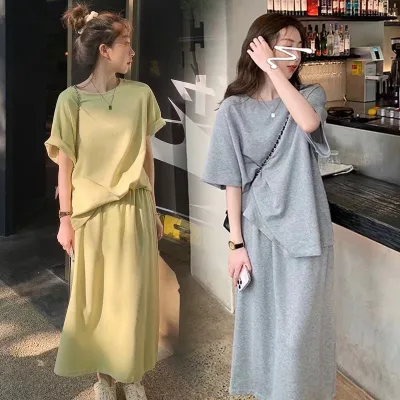
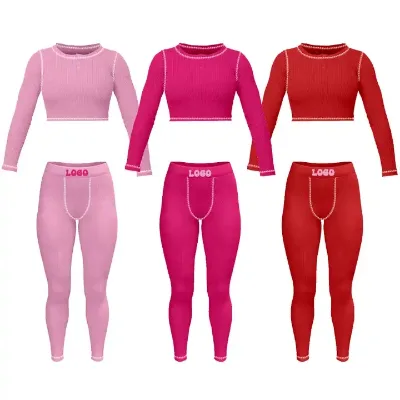


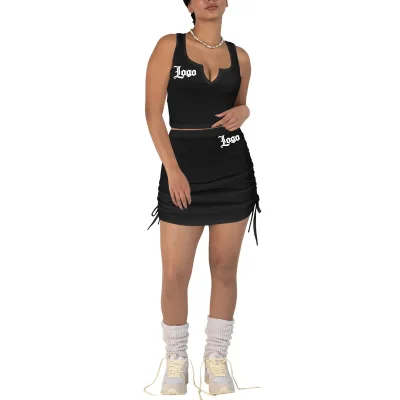
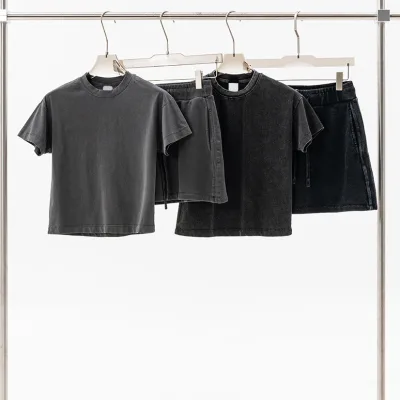
Comprehensive Sourcing Guide
Ribbed Cotton Spandex T Shirt and Skirt Set Sourcing Guide
Sourcing a ribbed cotton spandex t-shirt and skirt set requires a nuanced understanding of knitwear manufacturing, particularly when balancing comfort, stretch recovery, and structural integrity. The term "ribbed" refers to a specific knitting technique that creates vertical ridges, offering superior elasticity and a form-fitting silhouette compared to flat-knit fabrics. When combined with cotton and spandex, the material aims to provide the breathability and softness of natural fibers with the durability and shape retention of synthetic elastane. Buyers must recognize that while the core keyword suggests a specific fabric composition, actual supplier listings often vary significantly in material ratios, knit density, and finishing techniques. This guide provides a structured approach to evaluating suppliers, verifying technical specifications, and managing commercial risks associated with this apparel category.
The procurement process for these sets involves navigating a diverse market of manufacturers, primarily concentrated in regions with established textile infrastructure. Observed market data indicates a wide range of product models, from basic casual wear to more intricate designs involving crochet or jacquard elements. Buyers should not assume that all suppliers offering "ribbed" sets use identical base fabrics; some may prioritize polyester blends for cost efficiency, while others focus on high-cotton content for premium positioning. Understanding these variations is critical for aligning product selection with target market expectations, whether the goal is fast fashion volume or boutique-quality seasonal collections.
Product Scope and Observed Listing Signals
The current market landscape for knit women’s sets reveals a broad spectrum of styles, including crew neck, turtleneck, and v-neck variations, often paired with matching skirts or cardigans. Listings frequently highlight customization options, allowing buyers to tailor collar styles, sleeve lengths, and pattern types to specific brand identities. Common attributes observed include pure color, striped, plaid, and patterned designs, with seasons ranging from spring/autumn to summer collections. The presence of OEM services indicates that many manufacturers are equipped to handle private label requirements, offering flexibility in branding and packaging. Buyers should carefully review these signals to ensure the supplier’s capabilities align with their specific design needs and seasonal planning.
Material composition is a critical differentiator in this category, with suppliers offering options ranging from polyester-cotton blends to pure acrylic or cotton-spandex mixes. The "ribbed" texture is often associated with specific knit techniques, such as crochet or jacquard, which can influence both the aesthetic and the functional properties of the garment. Some listings emphasize "knit skirt sets" or "cardigan skirt sets," suggesting a coordinated look that may require precise matching of yarn batches and dye lots. Buyers must verify whether the observed material claims match the actual product samples, as discrepancies between listed specifications and delivered goods are a common risk in apparel sourcing.
Technical Specifications to Verify
Verifying the exact fabric composition is the first step in ensuring product quality. Buyers should request detailed material breakdowns, specifically looking for the percentage of cotton, spandex, and any synthetic blends. The presence of spandex is crucial for the "ribbed" stretch properties, but the ratio determines the garment’s recovery and longevity. Additionally, the knit structure—whether it is a standard rib knit, crochet, or jacquard—must be confirmed through physical samples. These structural differences affect the drape, weight, and comfort of the final product, making it essential to validate that the technical specifications match the intended use case, whether for casual daily wear or more structured fashion statements.
Sizing and fit are equally critical, particularly for knit garments that rely on elasticity for their silhouette. Buyers should confirm the size chart provided by the supplier, noting that knit fabrics may stretch differently than woven ones. The "regular" tops length and various sleeve styles, from long to sleeveless, require precise measurement verification to ensure consistency across production runs. Furthermore, the "set" standard implies that multiple pieces, such as a top and skirt, must be produced with coordinated dimensions. Buyers should request detailed measurement sheets for each component of the set to prevent fit issues that could arise from mismatched sizing between the top and bottom pieces.
Compliance and Safety Documentation
Ensuring that the ribbed cotton spandex sets meet international safety and quality standards is non-negotiable for responsible sourcing. Buyers must verify that the supplier provides relevant compliance documentation, such as test reports for fiber content accuracy, colorfastness, and shrinkage resistance. These tests are essential to confirm that the fabric retains its shape and color after washing, which is a key expectation for knitwear. Additionally, chemical compliance, such as adherence to REACH or CPSIA regulations depending on the target market, must be confirmed to avoid legal liabilities and ensure consumer safety.
Labeling and care instructions are also part of the compliance framework, requiring accurate representation of material content and washing guidelines. Buyers should ensure that the supplier’s labeling practices align with the destination country’s regulations, including fiber content disclosure and country of origin markings. The "set" nature of the product may complicate labeling if the top and skirt have different material compositions, requiring careful attention to detail in the final product assembly. Proactive verification of these documentation requirements helps mitigate risks related to customs clearance and consumer complaints.
Cost Drivers and Commercial Terms
The cost of ribbed cotton spandex sets is influenced by several factors, including material quality, knit complexity, and order volume. Higher cotton content and specific spandex ratios typically increase material costs, while intricate knit patterns like crochet or jacquard add labor and production expenses. Buyers should analyze the price range in the context of these variables, recognizing that lower prices may indicate simplified designs or lower material grades. Understanding these cost drivers allows for more accurate budgeting and negotiation, ensuring that the final price reflects the desired quality and complexity of the product.
Commercial terms, such as MOQ and lead times, play a significant role in the procurement strategy. Observed MOQs can vary widely, from small batches for testing to larger volumes for full production runs. Buyers should align their order quantities with their inventory management capabilities and market demand forecasts. Additionally, shipping methods, whether by sea or air, impact both cost and delivery speed. Negotiating clear terms for sample times, production schedules, and payment conditions is essential to maintain cash flow and ensure timely delivery, especially for seasonal collections with tight market windows.
Supplier Qualification and Quality Control
Selecting a reliable supplier requires a thorough evaluation of their manufacturing capabilities and quality control processes. Buyers should assess the supplier’s experience in producing knitwear, particularly ribbed and stretch fabrics, as these require specialized machinery and expertise. Factory audits, whether virtual or on-site, can provide insights into production capacity, workforce conditions, and quality management systems. Suppliers with a history of producing OEM orders may have more robust processes for handling custom requirements and maintaining consistency across batches.
Quality control should be integrated into every stage of production, from raw material inspection to final product packaging. Buyers should establish clear quality standards and inspection criteria, including checks for stitching integrity, color consistency, and dimensional stability. Implementing pre-production samples and during-production inspections can help identify and rectify issues early, reducing the risk of defective goods. Collaborating with third-party inspection services may also be beneficial for larger orders, providing an independent verification of product quality before shipment.
Long-Term Procurement Checks
Building a sustainable supply chain for ribbed cotton spandex sets involves ongoing relationship management and performance monitoring. Buyers should regularly review supplier performance metrics, including on-time delivery rates, product quality consistency, and responsiveness to issues. Establishing a feedback loop with the supplier can facilitate continuous improvement and address any recurring problems promptly. Long-term partnerships often lead to better pricing, priority production slots, and greater flexibility in handling urgent orders or design changes.
Adapting to market trends and consumer preferences is crucial for maintaining competitiveness. Buyers should stay informed about emerging styles, fabric innovations, and sustainability practices in the knitwear industry. Regularly updating product specifications and exploring new supplier options can help mitigate risks associated with single-source dependency. By maintaining a proactive approach to procurement, buyers can ensure that their ribbed cotton spandex t-shirt and skirt sets remain aligned with market demands and brand values, fostering long-term success in the apparel sector.
FAQs
What customization options are available for these sets?
Customization is available for the knit women sets and skirt sets listed on the page. Buyers can request specific patterns like pure color, striped, or plaid designs. The production process supports various collar styles including crew neck and turtleneck options to meet specific brand requirements.
How long does it take to receive a sample?
The sample time is 7 days for the listed knit sets. This timeline applies to the production of prototypes before full manufacturing begins. Buyers should plan their ordering schedule around this lead time to ensure timely delivery of the final bulk order.
Which materials are used in these knit sets?
The products are made from materials such as polyester, cotton, and acrylic. These fabrics are used in various styles including long sleeve tops and tank tops. The material choice supports the knitted and crochet techniques observed in the product specifications.
Can I order these sets for daily occasions?
Yes, the sets are suitable for daily occasions as indicated by the product attributes. Styles include casual women sets and knit vest skirt sets designed for everyday wear. The regular tops length and various sleeve styles ensure comfort for regular use.
What is the shipping method for these products?
Products are packed and shipped by sea or air depending on buyer preference. The shipping day range is 7 to 15 days after order confirmation. This logistics option allows flexibility for different urgency levels while maintaining cost efficiency for bulk orders.
Are there specific size options for the women sets?
Size S is explicitly listed as a specification for the knit women sets. Buyers should verify if other sizes are available through direct supplier communication as the page highlights this specific dimension. The sizing applies to the various collar and sleeve styles offered.
What is the origin location of these products?
The products originate from Guangdong, China, as stated in the location facts. This region is known for textile manufacturing and supports the production of the knit and crochet sets. Buyers can expect supply chain advantages associated with this specific manufacturing hub.